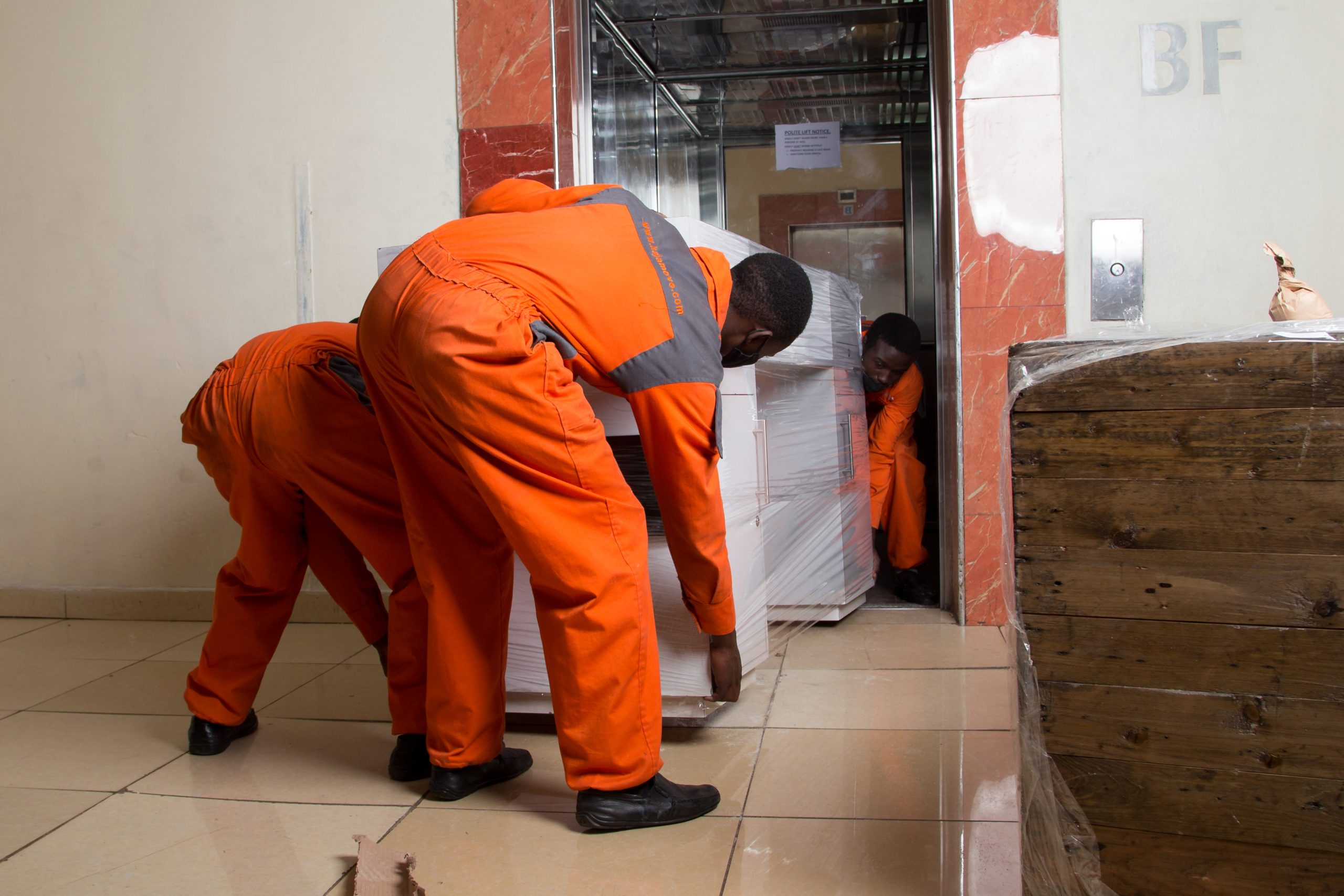
Heavy traffic on the Nairobi–Nakuru corridor is a reminder that a long-distance move is not only about packing boxes and loading a truck. Route choice, departure time, road conditions and contingency planning can all affect how smoothly your move goes.
On August 22, 2026, NTV reported that motorists had been stranded in heavy traffic from Rironi, with the Kenya National Highways Authority (KeNHA) advising drivers to consider alternative routes and maintain lane discipline. A separate NTV report dated August 20 also cited KeNHA guidance on alternative routes during congestion on the Rironi–Naivasha–Nakuru and Rironi–Mai Mahiu–Naivasha sections. For anyone planning a house or office relocation between Nairobi, Naivasha, Nakuru and destinations farther west, this kind of disruption is worth planning around rather than reacting to on move day.
Why Nairobi–Nakuru traffic matters when you are moving
A household move has different constraints from an ordinary road trip. A moving truck may be carrying fragile furniture, appliances, electronics, artwork or an entire household. Delays can affect access arrangements at the destination, building lift bookings, caretaker availability, unpacking time and the working hours of the moving crew.
When the Nairobi–Nakuru route is congested, a delay of several hours can also push unloading into the evening. That is why long-distance moves should be planned around the journey itself, not just the distance shown on a map.
Check the route shortly before departure
Traffic conditions can change quickly. Before the truck leaves, check recent updates from KeNHA, traffic police and reliable Kenyan news outlets. Pay particular attention to Rironi, the escarpment, Mai Mahiu, Naivasha, Gilgil and the approaches to Nakuru, because disruption at one point can create long queues across a much larger section of the corridor.
For the August congestion, KeNHA guidance reported by NTV included alternatives through Naivasha–Njabini–Ol Kalou–Dundori–Lanet, Flyover–Njabini–Ol Kalou–Dundori–Lanet and Ngong–Suswa–Narok–Mau Narok–Nakuru. These routes should not be treated as permanent recommendations: road conditions and official advisories can change, so verify the latest guidance before using a diversion.
Choose your departure time deliberately
For a long-distance move, an early departure usually gives the team more daylight and more room to absorb delays. It also reduces the chance that unloading begins late in the evening if traffic builds unexpectedly.
The best departure time depends on the origin, destination, building access rules and the road situation on that specific day. If your apartment only allows moving during certain hours, work backwards from the destination access window rather than simply choosing a convenient loading time.
Build a realistic buffer into the moving plan
Do not schedule a long-distance move as though the journey will always take the fastest estimated driving time. A practical plan should include time for loading, securing the load, traffic, fuel stops, weather, roadworks and controlled access at the destination.
That buffer becomes especially important on routes that regularly experience congestion during holiday travel, school opening and closing periods, major events or incidents on the highway.
Protect the load for a longer-than-expected journey
When traffic slows to a crawl, your belongings remain in the vehicle for longer. Furniture should therefore be properly wrapped and secured before the truck leaves, not packed on the assumption that the trip will be short.
Fragile and high-value items
Glass, televisions, mirrors, artwork and other fragile items should be individually protected and positioned so they cannot shift during repeated braking and acceleration. Heavy pieces should be secured to prevent movement inside the truck.
Items sensitive to heat or moisture
Documents, electronics and other sensitive items should be protected against moisture and unnecessary exposure. If rain is possible along the route, waterproof protection during loading and unloading matters just as much as protection inside the truck.
Coordinate access at the destination
If you are moving into an apartment, gated estate or managed building, tell the caretaker, security team or property manager that your arrival time may change. Confirm whether there are restrictions on truck access, lift use, parking or evening moves.
For office relocations, the same principle applies to loading bays, security clearances and building management. A traffic delay is much easier to manage when the destination team already knows how the schedule will be adjusted.
Keep essential items separate from the moving truck
A small essentials bag can make a major delay much less stressful. Keep medication, identification, chargers, water, basic toiletries, a change of clothes, important documents and anything needed by children or pets with you rather than deep inside the moving truck.
This is particularly useful when the moving vehicle and the customer are travelling separately and may not arrive at exactly the same time.
Do not force a diversion simply to save time
An alternative route is only useful if it is suitable for the vehicle, current road conditions and the load being carried. Moving trucks may have different clearance, weight and manoeuvrability requirements from private cars.
Use official route guidance where available and let the driver assess whether a diversion is appropriate. Saving a little time is not worth exposing the truck or household goods to an unsuitable road.
Plan Nairobi–Nakuru moves as a logistics job, not just a drive
The recent Nairobi–Nakuru traffic disruption shows why long-distance relocation requires active route planning. A professional moving plan should account for congestion, alternative routes, building access, safe packing, communication and a realistic arrival window.
If you are moving from Nairobi to Naivasha, Nakuru or another county, share your origin, destination, preferred moving date, house size and any access restrictions when requesting a quotation. That gives the moving team enough information to plan the vehicle, crew, packing and route around the realities of the journey.
Sources: NTV Kenya, August 22, 2026, “Hundreds stranded on Nairobi-Nakuru highway over heavy traffic”; NTV Kenya, August 20, 2026, “KeNHA: Three alternative routes to avoid Nairobi-Nakuru traffic.”
Planning a move?
KejaMove Can Help With That
Tell us what you're moving, where you're moving from and where you're going, and we'll help you plan the rest.