Understanding the Resettlement Landscape
The recent petition by Kibra residents to the Senate regarding stalled Kenya Railways resettlement projects highlights a significant challenge for families navigating urban displacement. When large-scale infrastructure projects necessitate relocation, the transition is rarely straightforward. Understanding your rights and the logistical requirements of moving into new, often incomplete, housing units is the first step toward securing your family’s stability.
Many residents currently find themselves in a state of uncertainty, waiting for promised housing or dealing with units that lack essential services like water and sewer connections. This environment makes the physical act of moving even more complex, as families must balance the need for immediate shelter with the reality of unfinished infrastructure. The testimony provided to the Senate Standing Committee on Roads, Transportation and Housing reveals that of 1,432 residential occupants enumerated in Laini Saba, only 256 have received houses, while 583 out of 833 business occupants have received stalls. This disparity creates a volatile environment where families are forced to live in temporary or decanting sites, or worse, occupy toilets as makeshift housing due to the lack of basic amenities.
Logistical Challenges in Government-Led Relocation
Moving into a resettlement site involves more than just transporting household goods. It requires careful planning, especially when the destination site may not be fully operational. For families moving from informal settlements to designated housing, the lack of basic utilities can turn a standard move into a significant hardship. It is essential to verify the status of water, electricity, and sanitation before committing to a move-in date.
When dealing with government-led resettlement, documentation is your most valuable asset. Ensure you have all allotment letters, lease agreements, and records of enumeration. These documents are not just legal requirements; they are your primary defense if you encounter issues with housing allocation or service provision upon arrival at your new residence. As Nominated Senator Hamida Kibwana noted during the committee hearing, the lack of clear documentation makes it difficult to establish individual claims, which is why maintaining a rigorous paper trail is vital for every displaced family.
Preparing Your Household for a Transition
Preparation is the cornerstone of any successful move, particularly when the timeline is dictated by external factors like infrastructure development. Start by decluttering your current space to ensure that only essential items are moved to your new home. This is especially critical if your new unit is smaller than your previous living space or if you are moving into a temporary decanting site.
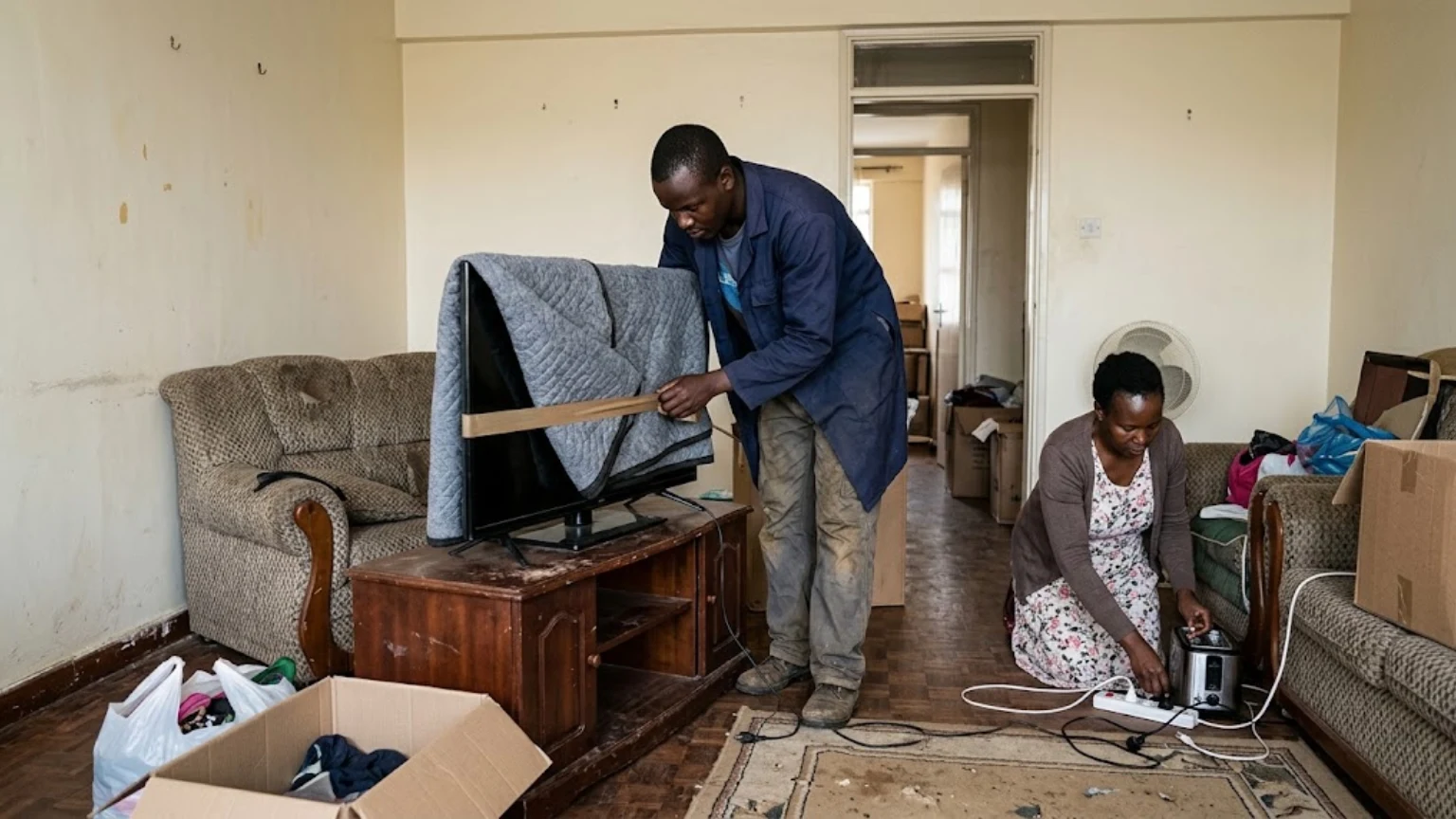
KejaMove specializes in helping families navigate these complex transitions. Whether you are moving between neighborhoods or relocating due to a government project, our team provides professional packing, secure transport, and decluttering services to make your move as seamless as possible. By offloading the physical burden of the move, you can focus on the administrative and personal aspects of your resettlement, ensuring that your transition is handled with the care and precision required during such a sensitive period.
Managing the Stress of Relocation
Relocation is inherently stressful, and the added pressure of resettlement uncertainty can exacerbate this. It is important to maintain a clear inventory of your belongings and to communicate effectively with project coordinators regarding your move-in schedule. If you are moving into a new estate, consider the layout and accessibility of the site to ensure that your furniture and appliances will fit appropriately.
For those facing a move, accessing a professional moving quotation can provide clarity on the costs involved and help you budget for the transition. Having a clear plan in place allows you to mitigate the risks associated with moving into new or developing areas, ensuring that your household remains functional even during the initial stages of settling into a new community.
Ensuring Long-Term Housing Stability
As you settle into your new home, prioritize the establishment of essential services. If you find that your unit lacks water or electricity, document these issues immediately and engage with the relevant authorities or project committees. Long-term stability in a new housing project depends on the active participation of residents in maintaining the environment and advocating for the completion of promised amenities.
Remember that you are not alone in this process. Many families are navigating similar challenges, and there is strength in community advocacy. By staying informed about the progress of your resettlement project and maintaining organized records, you can better protect your interests and ensure that your move leads to a more stable living situation for your family.
The Importance of Professional Coordination
Moving is a multifaceted endeavor that requires more than just muscle; it requires a strategic approach to logistics. When you are dealing with the complexities of a resettlement, the last thing you need is the added stress of damaged goods or disorganized packing. Professional movers bring the necessary equipment and expertise to handle your belongings safely, ensuring that your transition is as smooth as possible despite the external pressures of the relocation process.
By choosing to work with experts, you gain access to resources that simplify the entire journey. From the initial assessment of your items to the final placement in your new residence, a structured moving plan acts as a buffer against the chaos often associated with large-scale housing shifts. This professional oversight allows you to focus on the emotional and social aspects of settling into your new community, rather than worrying about the logistics of the move itself.
Final Steps for a Successful Move
Before you finalize your moving date, conduct a final walkthrough of your new unit to identify any immediate repairs or service gaps. If you require assistance with the physical move, reach out to a moving expert to discuss your specific needs. Taking these proactive steps will help you settle in quickly and comfortably, allowing you to focus on building your life in your new home.
For professional assistance with your next move, contact KejaMove today to get an online moving quotation or to speak with one of our relocation experts about your specific requirements.
Planning a move?
KejaMove Can Help With That
Tell us what you're moving, where you're moving from and where you're going, and we'll help you plan the rest.