Interest in Nairobi’s planned underground railway has surged as residents search for details of the Nairobi Metropolitan Mass Rapid Transit System (NMRTS). Google Trends Kenya showed “nairobi underground railway nmrts” among active searches in the past 24 hours, reflecting fresh public interest in a project that could eventually reshape how people move between the CBD, Eastlands and other parts of the city.
For anyone choosing a neighbourhood, planning a house move or thinking about a longer-term relocation within Nairobi, the important question is not whether to move next to a future station immediately. It is what the current plan actually proposes, which areas are included, how far implementation still has to go and how much weight a planned transport project should carry when choosing where to live.
What is the Nairobi underground railway plan?
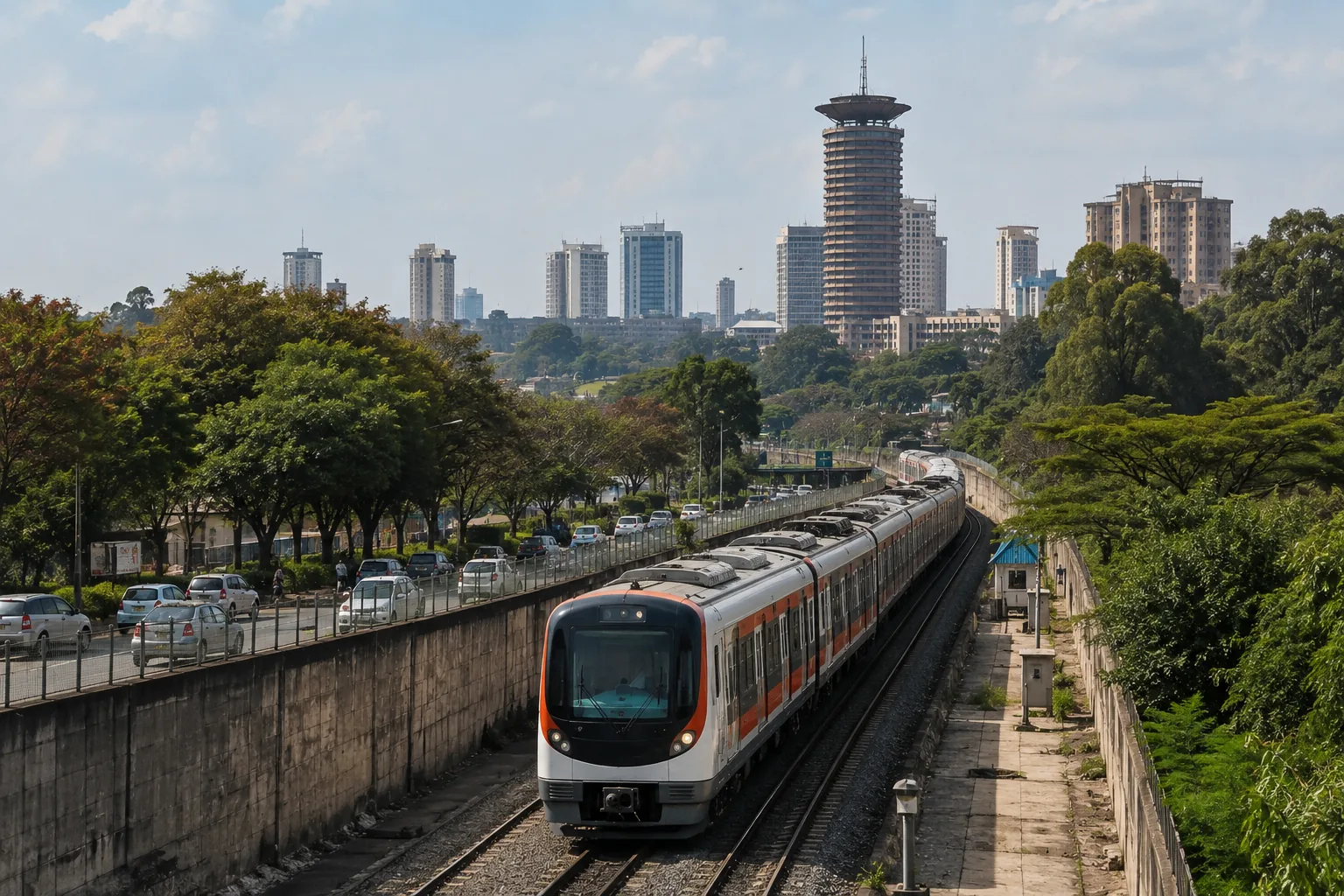
Nairobi City County approved the implementation framework for Phase I of the Nairobi Metropolitan Mass Rapid Transit System in July 2026. The first phase centres on an underground rail core through the CBD and a high-capacity Eastlands line.
The county has presented the system as part of a broader effort to reduce congestion and integrate rail with other forms of public transport, pedestrian routes and non-motorised transport. The project remains a long-term infrastructure programme, so residents should distinguish between an approved implementation framework and a railway that is already under construction or ready for use.
Which Nairobi areas are on the proposed Phase I network?
Published details of the NMRTS blueprint identify a network connecting major employment, commercial and residential areas. The proposed CBD underground core includes stations serving Upper Hill, Kenyatta National Hospital, Parliament, City Hall, Kenyatta Avenue, Railways/Muthurwa, University Way, Museum Hill, Westlands and Sarit Centre.
Beyond the CBD, the proposed Eastlands corridors include areas such as Jericho, Buruburu, Donholm, Umoja, Kayole, Komarock, Eastleigh, Kariobangi, Dandora, Savannah, Fedha and Embakasi.
These are proposed alignments and station locations. They should not be treated as final move-in guarantees: detailed engineering, financing, approvals and construction can alter the timing or design of major infrastructure projects.
Could the NMRTS change how Nairobians choose where to live?
If the system is delivered as planned, faster and more predictable public transport could make commuting time a different part of the house-hunting equation. Today, many Nairobi residents choose estates partly by asking how long it takes to reach the CBD, Upper Hill, Westlands, Industrial Area or another employment hub by road.
A high-capacity rail network could eventually give some households another option: living farther from the office while remaining close to a reliable transit station. That is the principle behind transit-oriented development, where homes, shops, offices and services cluster around transport nodes.
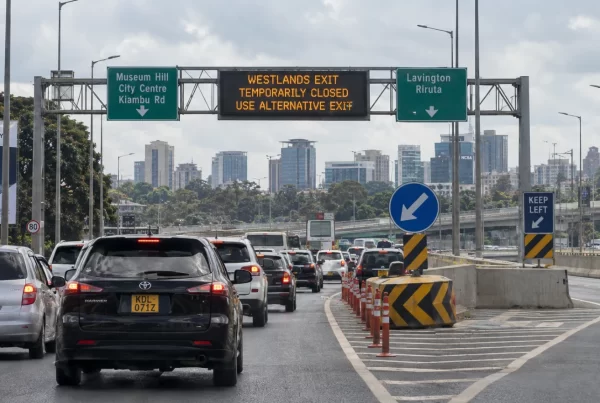
But that is a future possibility rather than a reason to make an expensive housing decision today. A good relocation decision should still work with Nairobi’s current roads, matatu routes, commuter rail options and actual commute times.
What the proposed stations mean for popular moving corridors
Eastlands: Embakasi, Fedha, Donholm, Umoja and Kayole
Eastlands is central to the proposed first phase. For residents of Embakasi, Fedha, Donholm, Umoja, Kayole and surrounding areas, the project is especially relevant because the plan is designed to connect dense residential neighbourhoods to the CBD transport network.
These areas already attract households for different reasons, including proximity to workplaces, schools, shopping, JKIA and major road corridors. When comparing homes, consider the complete daily journey rather than the proposed railway alone: access roads, walking distance, security, drainage, parking, current public transport and the distance to schools or work all matter.
Upper Hill and the CBD
Upper Hill is one of Nairobi’s major employment districts, while the CBD remains a central destination for thousands of daily commuters. A proposed underground core linking these areas with other stations could eventually reduce dependence on surface-road travel for some journeys.
If you are moving primarily to reduce your commute to an Upper Hill or CBD office, however, calculate the journey using today’s transport network. A future station is best treated as a possible long-term benefit rather than the foundation of the decision.
Westlands and the Sarit area
Westlands is another major business and residential hub included in the proposed CBD core. For people choosing between living in Westlands itself and commuting from another neighbourhood, the NMRTS is worth watching because an integrated rail connection could change the relative convenience of different areas over time.
Current rent, road access, parking, school runs and peak-hour congestion should still carry more weight when making a move now.
Should you move closer to a proposed Nairobi metro station?
Not solely because of the railway. Major infrastructure can influence neighbourhood development, but project schedules can change and the practical benefits depend on final station locations, fares, frequency, last-mile connections and the date services actually begin.
If you are house-hunting in an area on the proposed route, treat the NMRTS as one item on a wider checklist:
- How long is your current commute at peak hour?
- Can you reach work using more than one route?
- How far is the property from existing public transport?
- Are the access roads reliable during heavy traffic or rain?
- Does the estate have the schools, shops and services your household uses regularly?
- Would the home still make sense if the railway takes longer than expected?
If the answer to the final question is no, the future transport project is carrying too much weight in the decision.
What renters should watch as the project develops
Renters have more flexibility than buyers and can respond faster to changes in Nairobi’s transport network. As planning advances, it may become useful to compare rents and commute times in neighbourhoods around confirmed stations and interchanges.
Before signing a lease based on a proposed transport advantage, confirm what exists on the ground. Marketing descriptions such as “near the future metro” do not tell you when a service will open, how the station will be accessed or whether the final route will remain unchanged.
What homeowners and property buyers should consider
Homeowners usually make longer-term decisions, so major transport infrastructure can reasonably form part of the picture. Even so, transport plans should sit alongside fundamentals such as title and planning status, water supply, drainage, road access, security, schools, neighbourhood density and the quality of the property itself.
A planned station can be a useful bonus. It should not replace normal property due diligence.
How to plan a move within the proposed NMRTS corridors
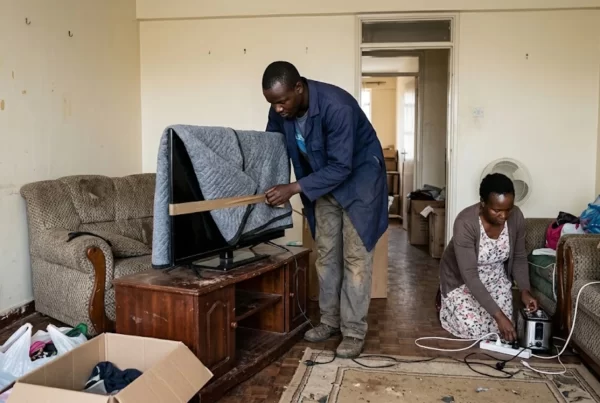
If you are moving between the CBD, Westlands, Upper Hill, Embakasi, Donholm, Umoja, Kayole or other areas named in the plan, the railway does not yet change the practical requirements of moving day. Route planning still depends on current road conditions, building access and traffic.
For apartment moves, confirm lift access, loading zones, parking restrictions and the hours when movers are allowed into the building. For moves across Nairobi, allow extra time around peak traffic and avoid choosing a truck route based only on the shortest distance on a map.
If you are relocating because of a new job or a change in commute, compare several neighbourhoods before committing. The best location is often the one that balances rent or purchase cost, current commute time, family needs and reliable access rather than simply being closest to the office.
The key point: plan for Nairobi as it works today, watch how it changes tomorrow
The renewed interest in Nairobi’s underground railway shows how strongly transport affects where people want to live. The NMRTS proposal is significant because it links some of the city’s largest employment and residential zones and could, over time, influence commuting and housing choices.
For a move happening now, use the proposed railway as context rather than certainty. Choose a home that works with today’s Nairobi, while keeping an eye on confirmed project milestones that could improve its connectivity in the years ahead.
Sources: Nairobi City County, July 22, 2026; The Kenya Times, July 25, 2026; The Kenya Times, August 15, 2026.
Planning a move?
KejaMove Can Help With That
Tell us what you're moving, where you're moving from and where you're going, and we'll help you plan the rest.