The Strategic Pivot in National Development Spending
The landscape of Kenyan infrastructure is undergoing a significant transformation as the government recalibrates its fiscal priorities. Recent data from the National Treasury reveals a deliberate shift in development expenditure, with a massive focus on sectors that offer high visibility to the public. In the financial year ended June 2026, national development spending saw a substantial increase, rising by Sh148.6 billion to reach a total of Sh731.5 billion, up from Sh582.9 billion the previous year. This surge in capital allocation is not distributed evenly; rather, it is concentrated in specific areas designed to yield tangible results for the electorate.
At the heart of this fiscal strategy is a clear objective: to prioritize projects that are easily observable and impactful for the average citizen. By channeling resources into high-profile infrastructure, the administration is positioning itself to demonstrate progress as the country approaches the 2027 General Election. This trend is particularly evident in the way the government has chosen to deploy its additional development funds, with roads and housing emerging as the primary beneficiaries of this budgetary expansion.
The Dominance of Roads and Housing in the Budget
When analyzing where the additional Sh148.6 billion in development spending was directed, the data points to a clear winner. Roads, along with Housing and Urban Development, accounted for more than three-fifths of the total increase in spending. Specifically, these two sectors absorbed Sh91.4 billion of the additional funds, highlighting their central role in the government’s current development agenda. This concentration of capital is a deliberate move to reshape the physical environment of urban centers, most notably Nairobi, where the demand for improved connectivity and affordable living spaces remains at an all-time high.
The financial commitment to these sectors is substantial. Total cash pumped into roads and housing rose to Sh269.2 billion, a significant jump from the Sh177.9 billion recorded in the previous period. This shift is not merely a statistical anomaly but a reflection of a broader policy direction that favors projects with immediate, voter-visible outcomes. For residents and property investors, this means that the areas surrounding these new road networks and housing developments are likely to see a shift in their economic profile and long-term viability.
Breaking Down the Road Infrastructure Surge
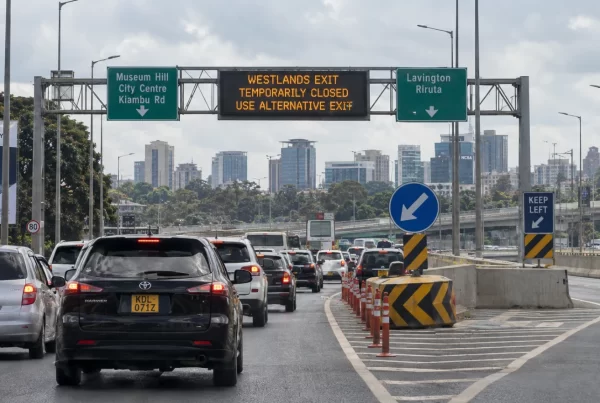
Road infrastructure has received a massive boost, with spending increasing by Sh34.9 billion to reach a total of Sh139.3 billion. This investment is critical for Nairobi, where traffic congestion has long been a bottleneck for economic productivity and quality of life. By prioritizing road expansion, the government is effectively attempting to unlock value in previously underserved areas. The completion of projects like the Ngong Road–Naivasha Road Junction Flyover serves as a prime example of the type of infrastructure that the government is keen to showcase.
For the property market, these road projects are game-changers. Improved road networks typically lead to reduced commute times, which in turn makes peripheral neighborhoods more attractive to middle-class workers and businesses. As the government continues to pour billions into these arterial routes, property values in adjacent zones are expected to appreciate. Investors are closely watching these developments, as the presence of high-quality, government-funded road infrastructure is often the primary catalyst for residential and commercial real estate growth in the Kenyan capital.
The Housing Push: A New Era for Urban Development
While roads are essential for connectivity, the surge in housing expenditure is perhaps even more transformative for the urban landscape. Housing expenditure saw a dramatic increase of Sh56.5 billion, bringing the total allocation to Sh130 billion. This massive injection of capital into the housing sector is designed to address the chronic shortage of affordable units in urban areas. By focusing on large-scale housing projects, the government is not only attempting to meet the housing demand but is also creating new residential hubs that will define the future of Nairobi’s urban sprawl.
These housing initiatives are expected to have a ripple effect on the property market. As the government rolls out these projects, they often come with improved amenities and infrastructure, which can elevate the status of a neighborhood. For potential homeowners and renters, this means a wider array of options in areas that were previously considered underdeveloped. The government’s focus on housing is a clear signal that it intends to play a more active role in shaping the residential market, which will inevitably influence rental yields and property prices in the coming years.
Impact on Property Appreciation and Commute Times
The intersection of road and housing development creates a unique environment for property appreciation. When the government invests in a new road, it improves accessibility; when it adds a housing project, it creates a community. Together, these investments reduce the friction of urban living. For Nairobi residents, the most immediate benefit of this spending shift is the potential for shorter commute times. As the government completes more flyovers and bypasses, the time spent in traffic is expected to decrease, making living further from the city center a more viable option for many.
Property investors should take note of these trends. Areas that are currently seeing heavy government investment in both roads and housing are the most likely to experience significant capital gains. The government’s strategy of focusing on “voter-visible” projects means that these areas will likely receive continued attention and maintenance, further protecting the value of real estate investments. By aligning property acquisition strategies with the government’s infrastructure roadmap, investors can position themselves to benefit from the ongoing transformation of Nairobi’s urban geography.
Navigating the 2027 Election Cycle
As the administration enters the final full financial year before the August 2027 General Election, the pressure to deliver visible results will only intensify. The current spending patterns suggest that the government will continue to prioritize projects that can be completed or significantly advanced within this timeframe. This means that the momentum behind road and housing projects is unlikely to wane in the near future. For the public, this translates into a period of rapid infrastructure development that will leave a lasting mark on the country’s urban centers.
The political dimension of this spending cannot be ignored. By focusing on projects that the public can see and use, the government is effectively using infrastructure as a tool for engagement. This strategy ensures that the benefits of development are tangible and widespread, which is a key component of the government’s broader economic and political agenda. As we look toward 2027, the continued focus on these sectors will likely remain a cornerstone of the national budget, providing a predictable environment for those looking to understand the future of Kenyan infrastructure.
Conclusion: What This Means for You
The shift in government spending toward roads and housing is a defining feature of the current economic landscape. With over Sh269 billion now dedicated to these two sectors, the impact on Nairobi’s property market is profound. Whether you are a homeowner looking to understand the future value of your property or an investor seeking the next growth area, the government’s infrastructure roadmap provides a clear indicator of where development is headed. By staying informed about these projects, you can better navigate the changing dynamics of the Kenyan real estate market and make decisions that align with the ongoing transformation of our cities.
Planning a move?
KejaMove Can Help With That
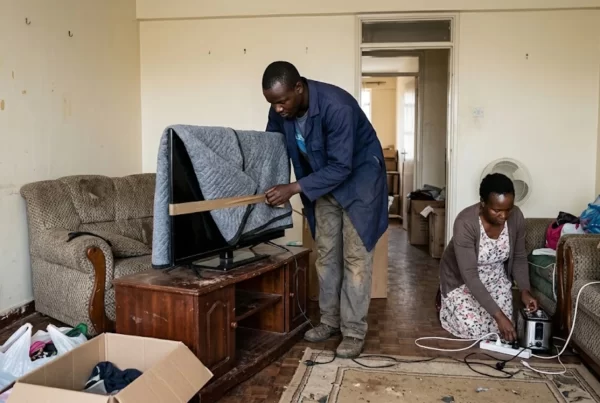
Tell us what you're moving, where you're moving from and where you're going, and we'll help you plan the rest.