The Current State of Kenya’s Power Grid
Kenya is currently navigating a precarious period regarding its national electricity supply. Recent data indicates that the country’s electricity reserve margin—the critical buffer of generation capacity available above actual demand—has plummeted to less than 3.3 percent. This figure is alarmingly low when compared to the 20 percent to 35 percent range recommended by the International Energy Agency (IEA). As demand continues to rise steadily across the country, the local generation capacity remains constrained, leaving the grid highly susceptible to disruptions.
The situation is further complicated by the fact that even increased imports from neighboring Ethiopia and Uganda have failed to keep pace with the surging consumption. According to data from the Kenya National Bureau of Statistics (KNBS), the reserve margin has narrowed significantly from a peak of 20.73 percent in January to just 3.34 percent by June. This rapid decline highlights a systemic challenge where the grid is operating with almost no room for error, making the system vulnerable to even minor technical faults or maintenance requirements.
Understanding the Risks to Your Household
For the average tenant or homeowner in Nairobi and beyond, this tightening of the reserve margin translates into a tangible risk of electricity rationing and unexpected blackouts. When the grid operates at such a thin margin, any breakdown of electricity generators or the routine maintenance of power plants can trigger immediate supply deficits. This is particularly problematic during peak evening hours, when household demand is at its highest and the intermittent nature of wind and solar power generation often fails to bridge the gap.
The reliance on diesel generators as a fallback is a costly reality that many businesses and residential complexes may soon face. For households, the primary concern is not just the inconvenience of darkness, but the potential damage to sensitive electronic equipment caused by frequent power surges and sudden outages. Understanding these risks is the first step toward proactive home management in an era of energy uncertainty.
Safeguarding Your Electronics and Appliances
Protecting your home appliances from the instability of the grid is now a priority for every resident. Power surges, which often occur when electricity is restored after a blackout, are notorious for frying the circuits of refrigerators, televisions, and computers. Investing in high-quality surge protectors is no longer optional; it is a necessary defense mechanism. Ensure that your most expensive appliances are connected to surge-protected power strips that can absorb excess voltage before it reaches your devices.
Beyond surge protectors, consider installing voltage regulators or Uninterruptible Power Supply (UPS) units for critical equipment like desktop computers and home office setups. A UPS provides a temporary battery backup that allows you to safely shut down your devices during a sudden power cut, preventing data loss and hardware corruption. For larger appliances like refrigerators, specialized voltage guards that automatically disconnect power during unstable voltage fluctuations can save you from expensive repair bills in the long run.
Optimizing Your Home Office for Power Resilience
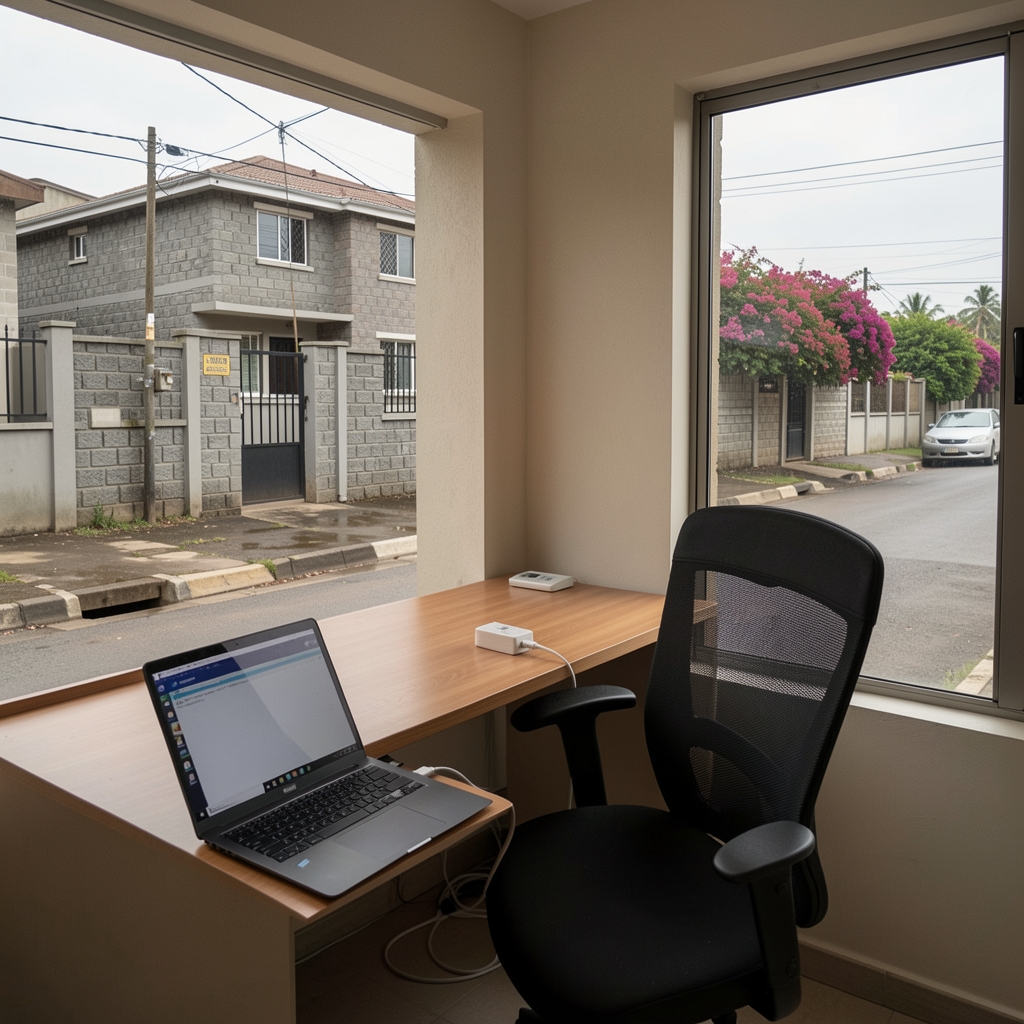
With the rise of remote work, the stability of your home office is directly tied to your productivity. If you rely on a stable internet connection and a powered workstation, you must plan for the eventuality of a grid failure. Start by mapping out your power-dependent tasks and identifying which devices are essential for your daily operations. A laptop, for instance, is inherently more resilient than a desktop because of its internal battery, but it still requires a reliable charging source.
Consider the layout of your workspace to ensure that your essential devices are grouped together on a single, protected circuit. If your budget allows, look into portable power stations or solar-powered battery banks that can keep your laptop and router running for several hours. These solutions are becoming increasingly popular as they offer a clean, silent, and reliable alternative to traditional fuel-based generators, making them ideal for apartment living where noise and exhaust are significant concerns.
Choosing Backup-Ready Estates and Housing
When searching for a new home or evaluating your current living situation, the availability of backup power infrastructure should be a key consideration. Many modern residential developments in Nairobi are now marketing themselves as ‘power-resilient,’ featuring centralized backup generators or solar-hybrid systems that automatically kick in during grid outages. These features can significantly enhance your quality of life and protect your household from the unpredictability of the national grid.
If you are a tenant, inquire with your landlord or property management about the existing backup arrangements. Does the building have a generator? Is it maintained regularly? Does it cover only common areas, or does it provide power to individual units? Understanding these details will help you manage your expectations and plan accordingly. In some cases, it may be worth paying a slightly higher service charge for a building that guarantees consistent power, as the cost of individual fuel consumption or appliance replacement can quickly exceed the difference in rent.
Long-Term Strategies for Energy Independence
While the current grid situation is challenging, it also serves as a catalyst for households to explore long-term energy independence. Transitioning to renewable energy sources, such as rooftop solar panels, is a viable strategy for many homeowners. By generating your own electricity, you reduce your reliance on the national grid and insulate yourself from the volatility of supply. Even a modest solar setup can provide enough power to keep your lights, internet, and essential appliances running during a blackout.
Furthermore, adopting energy-efficient habits can help reduce the overall load on the grid, contributing to a more stable environment for everyone. Simple actions like switching to LED lighting, using energy-efficient appliances, and being mindful of your power consumption during peak evening hours can make a collective difference. As Kenya continues to grapple with its energy challenges, the shift toward a more decentralized and resilient energy model will likely become a defining feature of modern urban living.
Planning a move?
KejaMove Can Help With That
Tell us what you're moving, where you're moving from and where you're going, and we'll help you plan the rest.