The Housing Gap and the Informal Sector Reality
For years, the dream of homeownership in Kenya has been tethered to the formal employment sector. Banks and mortgage lenders have traditionally relied on the ‘payslip’ as the gold standard for underwriting risk. However, with 18.1 million Kenyans working in the informal sector compared to just 3.5 million in formal roles, this traditional model has left the vast majority of the population underserved. The housing deficit, currently estimated at two million units, is not just a supply problem; it is an income and access problem. As the government and financial institutions begin to recognize that 83.3 percent of the workforce operates outside the formal payroll, the landscape for renters and buyers is beginning to shift in ways that favor the average citizen.
The reality of this income gap is a systemic issue that requires a departure from conventional lending. While the government has introduced a 1.5 percent housing levy, the true unlock for the market lies in how capital is deployed to those who do not have a traditional employer-issued salary. By acknowledging that the informal sector is the engine of the economy, contributing roughly 40 percent of the GDP, stakeholders are finally looking at ways to bridge the gap between the two million unit deficit and the people who need them most.
Understanding Alternative Underwriting
The conversation around housing is shifting toward ‘alternative underwriting.’ This approach moves away from the rigid requirement of a stable, formal salary. Instead, it looks at the customer’s actual income profile, cash flow, and savings behavior. By customizing financial products to fit the reality of informal earners—such as traders, artisans, and MSME owners—banks can unlock a massive, previously ‘unbankable’ market. This strategy, which has seen success in markets like India, allows lenders to assess risk based on actual financial activity rather than just a formal employment contract.
For the prospective mover, this means that the barrier to entry for mortgages and rent-to-own schemes is becoming more porous. Financial institutions are beginning to realize that the ‘risk’ associated with informal workers is often overstated when compared to their actual ability to generate consistent income. As these models gain traction, we expect to see more products tailored to the unique cash-flow cycles of the informal sector, making the dream of owning a home a tangible possibility for millions who were previously excluded from the formal banking system.
Strategic Infrastructure and Government Spending
The government’s recent shift in spending toward roads and housing is not just about construction; it is about creating value in satellite towns. National Treasury data shows that development expenditure rose significantly in the last financial year, with roads and housing accounting for more than three-fifths of the additional spending. This is a clear signal that the administration is prioritizing voter-visible projects as the 2027 election approaches. For those looking to move, this is a critical trend to watch.
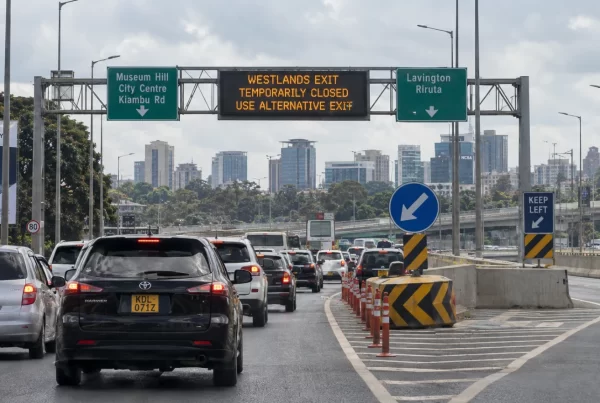
As infrastructure improves, the cost of commuting drops, making these areas more attractive for affordable housing projects. When choosing where to move, prioritize areas that are currently receiving government investment in roads and drainage, as these locations are likely to see the fastest growth in housing supply and value. The focus on 19 roads in flood-prone areas, supported by a Sh2 billion drainage overhaul, also suggests that the government is attempting to mitigate the historical vulnerabilities that have made certain parts of Nairobi difficult to live in during the rainy seasons.
Mitigating Climate Risks in Urban Living
Nairobi is currently bracing for the impact of El Nino rains, with City Hall intensifying preparations to prevent a repeat of past flooding. Governor Johnson Sakaja has emphasized that the city is taking early, coordinated action to minimize the impact of heavy rains on roads, settlements, and critical infrastructure. For residents, this means that the ‘hotspots’ identified by the multi-agency team—such as the Mombasa Road-Bunyala Junction corridor and Globe Roundabout—are receiving urgent attention to clear drainage channels and remove obstructions.
When you are scouting for a new home, it is essential to look beyond the aesthetics of the property and consider the resilience of the surrounding infrastructure. The establishment of specialized sub-committees for infrastructure, drainage, and emergency response indicates a more proactive approach to urban management. Being aware of these flood-mitigation efforts can help you avoid areas that are historically prone to water damage, ensuring that your investment or rental choice remains secure even during extreme weather events.
The Future of Kenyan Film and Creative Hubs
Nairobi is positioning itself to become Africa’s film hub, a move that could significantly impact the local economy and the demand for specialized housing and studio spaces. With the global virtual production market estimated to reach $9 billion by 2030, there is a massive opportunity for Kenya to tap into this technology. By using LED screens and game-engine technology, filmmakers can create high-quality content without the massive costs associated with traditional location shooting. This shift is expected to create jobs and attract international talent to the city.
For the real estate market, this means an increased demand for creative spaces and studio-friendly residential areas. As Nairobi grows as a hub for digital content creation, we may see a rise in ‘live-work’ developments that cater to the needs of the creative class. Keeping an eye on these developments can provide insight into which neighborhoods are likely to become the next cultural and economic hotspots, potentially offering better long-term value for those looking to invest in property or secure a rental in a vibrant, growing community.
Practical Steps for Informal Earners
To prepare for these new opportunities, start by formalizing your financial records. Even if you don’t have a payslip, maintaining a clear record of your business income, expenses, and savings in a bank account is essential. This ‘paper trail’ is what lenders will use to assess your creditworthiness under the new alternative underwriting models. Additionally, join or form savings groups (chamas) that have a track record of investing in property, as these groups are often the first to access new housing schemes.
Finally, stay informed about the changing landscape of Kenyan property finance. The momentum toward a more inclusive market is undeniable, but it requires the individual to be proactive. Whether you are looking to move to a more affordable estate or planning to invest in your first home, the key is to remain alert to government-backed housing developments and the evolving criteria for mortgage access. By positioning yourself now, you can take advantage of the systemic changes that are finally beginning to open doors for the informal sector.
Planning a move?
KejaMove Can Help With That
Tell us what you're moving, where you're moving from and where you're going, and we'll help you plan the rest.